
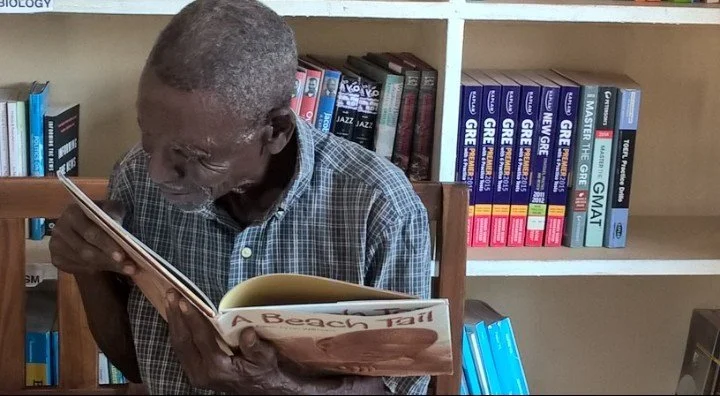

Education is not just books, pencils, or computers. It is an all-encompassing enterprise that must intersect with every element that touches the lives of children, teachers, and parents.
It is the spirit of Ubuntu, the idea that “I am, because you are…” that views the individual not only within a social context, but a planetary and environmental one. This inspires an inherent sense of duty and responsibility to ensure that people and the environment are nurtured and celebrated.
-
Leading learning corporations, institutions of higher learning as well as non-profits have recognized ProjectEDUCATE’s role in improving the quality of education and have contributed their time and resources to the organization.
The organization has been selected as a finalist in the Stockholm and Global Junior Challenges respectively.
The Stockholm Challenge is a pioneer among ICT awards and networking organizations dating back to 1994. So far, the Stockholm Challenge has brought together over 5,000 ICT projects from all over the world, many of whom are active in lasting and growing networks.
The Global Junior Challenge is an international competition rewarding the most innovative projects employing cutting-edge ICT technologies in the field of youth education and training. The organization compliments government efforts through awareness raising and implementation of practical solutions to educational and social development challenges. It also fosters a sense of duty and responsibility among citizens by encouraging them to take active roles in their communities.
-
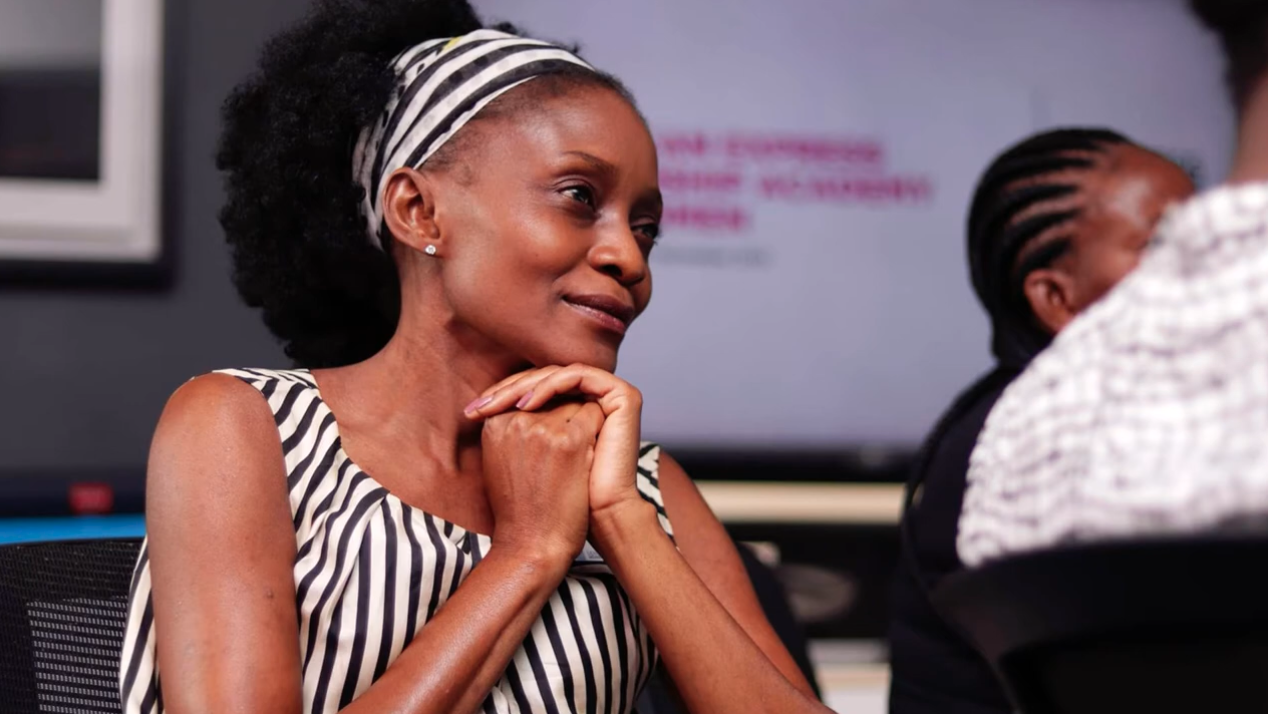
Mbao Mwiya-Ngula, ProjectEDUCATE’s founding Executive Director, understands the power of presence, generosity, and reciprocity — three ineffable components of transformational leadership.
Mbao grew up in the Mongo region in the Western part of Zambia without the basics many take for granted in education — books, pencils and erasers. She was determined not to let that happen for the next generation. She snapped into action, mobilizing her community and global support to ensure access. Soon, 35,000 books appeared in Mongu schools. A discarded computer became a vehicle for teaching technological literacy, resulting in 500 more computers and a program for students, as well as professionals. Due to Mbao’s efforts, students were introduced to computers in primary schools in the Western part of Zambia for the very first time.
Mbao and I connected over 20 years ago. She was concerned about rising malaria infections in her community in Mongu, in the flood plain just 15 kilometres from the Zambezi River. Medicated bed nets had been distributed, yet were not yielding their intended impact. Having observed that many nets were not used correctly, thus leaving children exposed, she designed a global competition for children to design the most effective use of a bed net. The winning entry was a game to construct a pup tent out of the net material to enable the children to have fun sleeping in a new home — inside a home. Malarial infections declined.
Again, these are the qualities that make development work: presence, generosity, and reciprocity: listening to, and understanding the needs of, one’s local community; giving of one’s time and one’s capacity to mobilize support; and setting an example of humble, responsive, loving leadership.
Mbao combines these qualities with a critically-important piece missing in far too many development projects: a holistic approach. For Mbao, education is not just books, pencils, or computers. It is an all-encompassing enterprise that must intersect with every element that touches the lives of children, teachers, and parents. She sees that health and education are inextricably bound: a child cannot learn if she is sick. A child cannot remain healthy if she cannot learn. She makes the connection between environmental stewardship and education: One cannot learn if the environment cannot provide sustenance. One cannot take care of the environment unless one learns. She fosters self-reliance, because one cannot achieve unless one believes in their own power.
But there is something else that drives Mbao, something rooted in African tradition. Much of Mbao’s effectiveness is borne from her astute recognition of the power of Ubuntu, the idea that “I am, because you are…” For her, Ubuntu views the individual not only within a social context, but a planetary and environmental one. This inspires an inherent sense of duty and responsibility to ensure that people and the environment are nurtured and celebrated.
To be in Mbao’s presence is to feel noticed, to pick up her infectious enthusiasm, and to believe that the reciprocity baked into Ubuntu leads to lasting change.
Themes
01
Gender
Text
02
Environment
Text
03
Literacy
Text
04
Technology
Text

Mongu Community Center Project
Building a convening space for the community with emphasis on women and youths in Mongu.
-
In an effort to expand its reach and scope, Project Educate proposes the establishment of the Mongu Community Center. The center will serve as a convening space for the community with emphasis being women and youths in Mongu.
In addition to continuing Project Educate’s core mandate, the Community center will provide a space for women and young people to meet and share ideas. Project Educate envisions: a reading room; training space for workshops; a media room; counseling and wellness space.
IMMEDIATE GOALS
Secure $3,000 for mobilization
Update Project Educate PACRA Registration
Acquire a centrally located space that will serve as a community center
Your Questions, Answered
QUESTION
Answer
QUESTION
Answer
QUESTION
Answer